
AHO
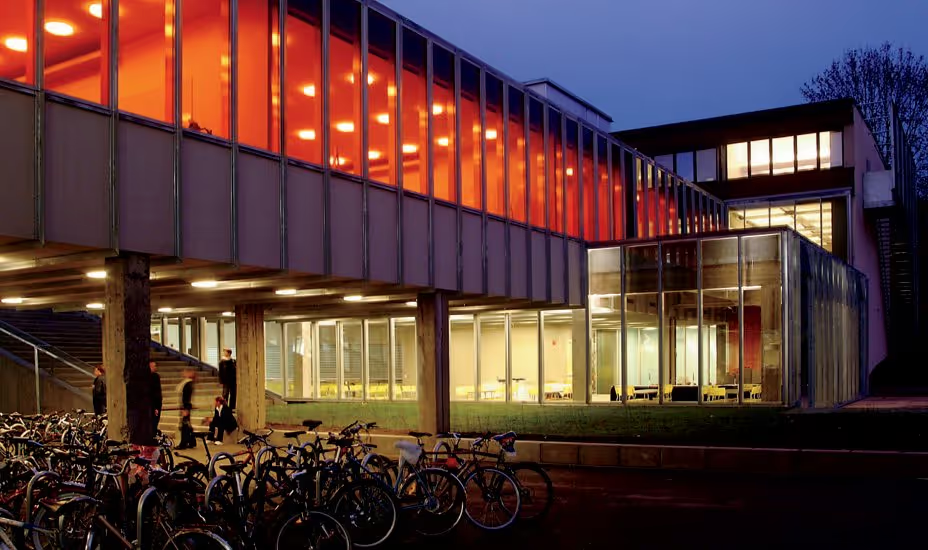

The Oslo School of Architecture and Design
“The transition to AMFG, instead of manually checking and printing CAD files, was incredibly fast. Staff and students regularly comment that the process has become much easier. We look forward to the opportunities that will arise in the coming years.” William Kempton, PhD Fellow.
The Challenge
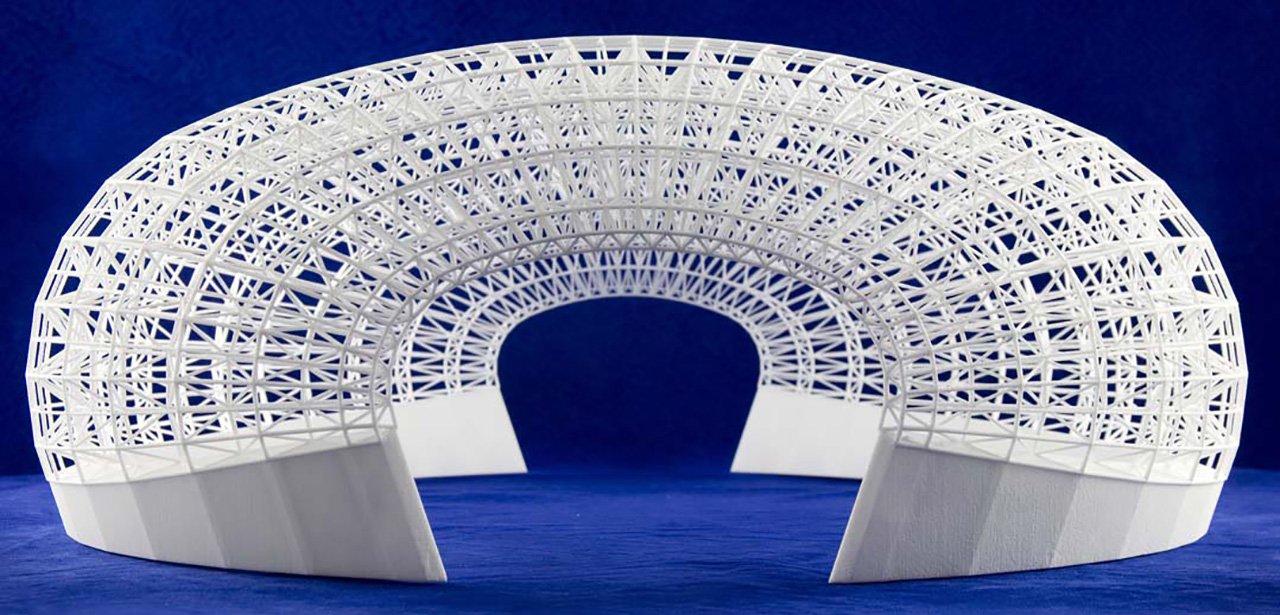
The Oslo School of Architecture and Design (AHO) is an internationally renowned university and research institution specializing in architecture and industrial design. With a range of AM technologies, including several SLS, FDM, and SLA machines, AHO has extensive experience in using AM as part of its groundbreaking research in this field and its curriculum. AHO's additive manufacturing processes required an efficient way to edit 3D models. Initially, users had to either manually hand over their files to the AM department on USB sticks or send them by email so that a staff member could inform them of the costs and send the files to production. This was a time-consuming and frustrating process, especially as the complexity of the architectural models made manual data verification even more laborious. There was also a lack of transparency between the AM department and the users requesting printing services, while the absence of an effective production planning system meant that the capacity of the available machines was not maximized. The AHO team therefore sought a software system that would allow incoming requests to be processed efficiently and enable employees to pass on information such as price quotes and delivery times directly to users. When the time came to evaluate software solutions, they chose AMFG.
The solution
“We were very impressed with the support we received from AMFG throughout the project,” says William Kempton, PhD employee at AHO. "We had been looking for a way to automate our academic work processes for projects requiring additive manufacturing for some time, and this proved to be the perfect solution. The AMFG team worked closely with our staff and students to determine how the platform could best be tailored to our requirements." In fact, after a consultation phase, AMFG was fully integrated into AHO's systems. The AM department made particular use of AMFG's online portal to streamline the ordering and quoting process for users and send files to the appropriate machine. Instead of manually processing files, users can upload their files directly through AMFG. The software automatically converts all CAD files to .stl and repairs errors, resulting in significant time savings when reviewing complex models. The online portal allows users to order parts and immediately receive automated quotes based on the department's unique pricing formula, and it allows the department to easily track the production status and delivery of the part.
The result
For AHO, the implementation of AMFG has achieved excellent results. With the streamlined, automated software system, AHO's AM department now benefits from greater transparency, improved communication, enhanced efficiency, and the ability to process far more orders. Thanks to AMFG, the department can now make much better use of its extensive AM facilities and further support its ongoing research in this field. AHO now plans to digitize all AM workflows in order to continue driving its innovative projects at the cutting edge of technology. "The transition to AMFG, instead of manually checking and printing CAD files, was incredibly fast. Staff and students regularly comment that the process has become much easier,“ says William Kempton. ”We look forward to exploring the opportunities that will arise in the coming years." The long-term goal for this project is to digitize all additive manufacturing processes to help AHO staff and students continue to deliver innovative, successful projects. Images courtesy of AHO.
For more information, please visit www.amfg.ai or contact: press@amfg.ai


.avif)

.svg)

Find Out More About AMFG
Book a demo with us today and discover how AMFG can help you take your manufacturing to the next level
Book a Demo